The 1937 Ford V860: A Compact Flathead Ford with a Unique Legacy
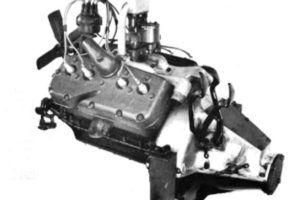
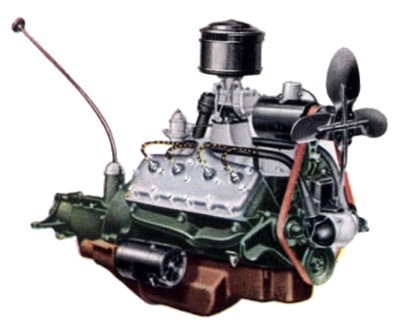
When Ford introduced the compact V860 engine in 1937, the goal was to offer a more affordable and fuel-efficient alternative to the standard Flathead Ford V8. While the full-size 85hp engines dominated most passenger cars, the smaller 60hp V860 offered buyers a lower-cost entry point and provided Ford with a competitive option for light commercial vehicles and select export markets. This early Flathead Ford variant stood out immediately due to its reduced size and distinctive 17-stud cylinder heads, a defining feature enthusiasts still look for today.
Early Design Features and Production Changes
During its first production run, the 1937 Ford V860 used a unique “tin-sided” construction. These early blocks featured welded steel outer water jackets attached to the cast cylinder sections. Although innovative, Ford quickly transitioned away from this design. By April 1937, production shifted to the more durable all cast-iron block, which improved reliability and simplified manufacturing.
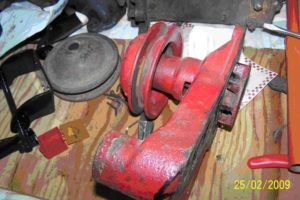
Another defining characteristic of the V860 was its front water-pump assembly, cast as a single unit that also served as the timing cover and as the front engine mount. This compact, multi-purpose design contributed to the engine’s lightweight layout and made it easy to identify compared to other Flathead Ford engines.
Ford continued to refine the V860 for overseas markets as well. Variants built for Europe featured slight modifications tailored to local fuels and operating conditions, further expanding the engine’s global reach.
The End of Production and the Rise of Alternatives
The V860 remained in use through 1940, after which Ford discontinued it in favor of the new 90hp inline-six that debuted for the 1941 model year. Although the V860 never matched the popularity of larger Flathead Ford engines, it succeeded in giving Ford a low-cost powerplant during a critical time.
Why the V860 Survived—Even If It Wasn’t Loved
Despite its modest 60 horsepower, the V860 found a second life far from the 1937 Ford sedans it originally powered. By the 1950s and 1960s, the engine had become a favorite in midget racing, where its compact size, light weight, and rev-friendly nature gave racers a competitive edge. Even today, builders use the V860 in specialty applications, including custom motorcycles and vintage racing recreations.
One notable limitation was that the V860 transmission was unique to this engine. It does not interchange with 85hp or later Flathead Ford transmissions, which is important for restorers working on original 1937–1940 V860-equipped vehicles.
| 60 Hp V8 also known as the “V8-60” | ||||||||||||||||||||||||||||||||||||||||||||||||||||||||||||||||||||||||||||||||||||||
|
Specifications
Additional Specifications
| ||||||||||||||||||||||||||||||||||||||||||||||||||||||||||||||||||||||||||||||||||||||
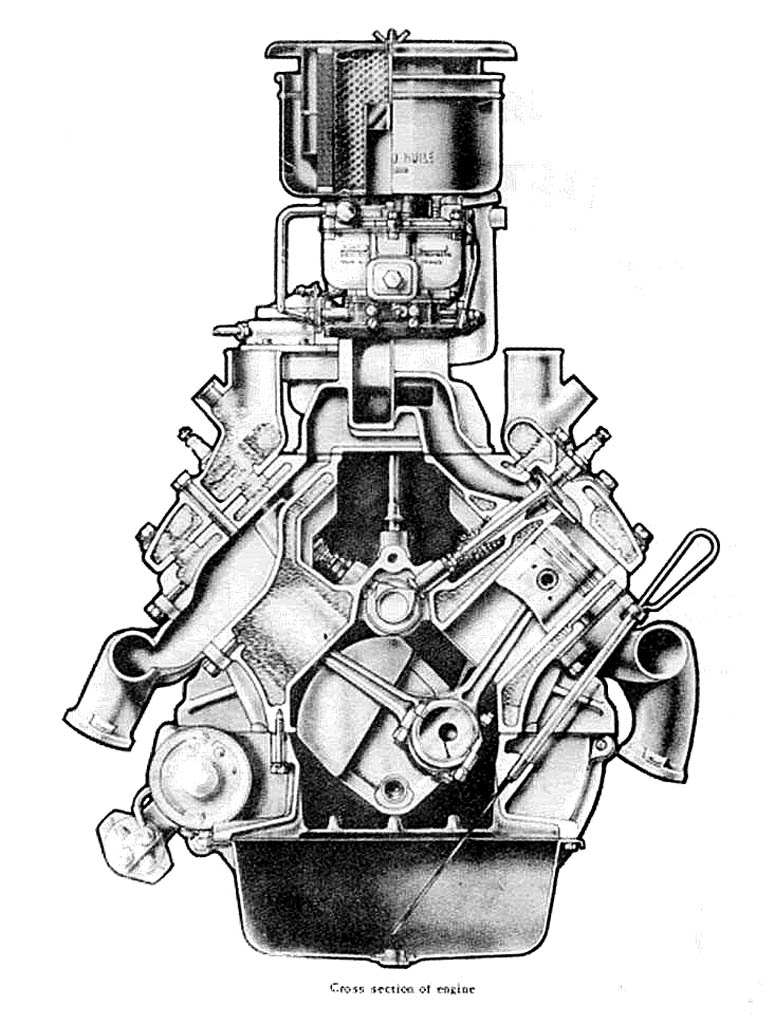
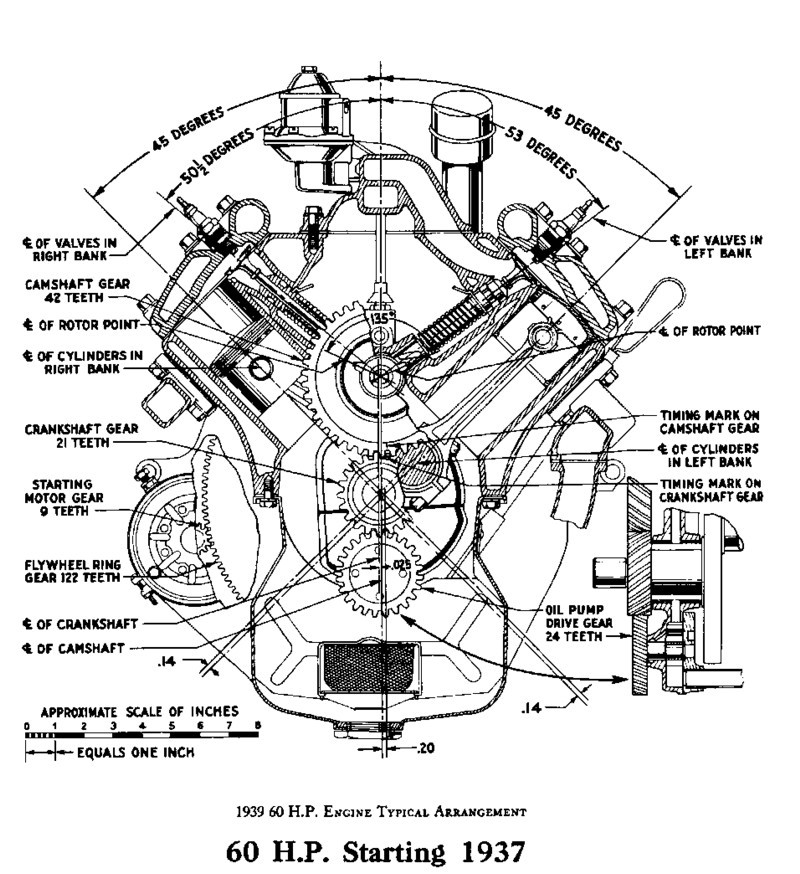
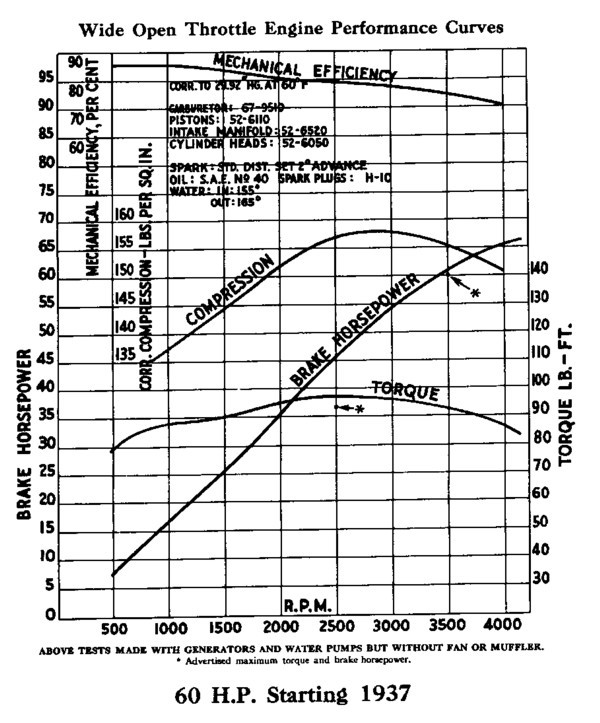
Click on the above thumbnail drawings for enlarged views of the performance curves and scale drawing.