If you want to see Baron Speed Equipment’s Website
Our First Opportunity to Build a Hot Rod Archive
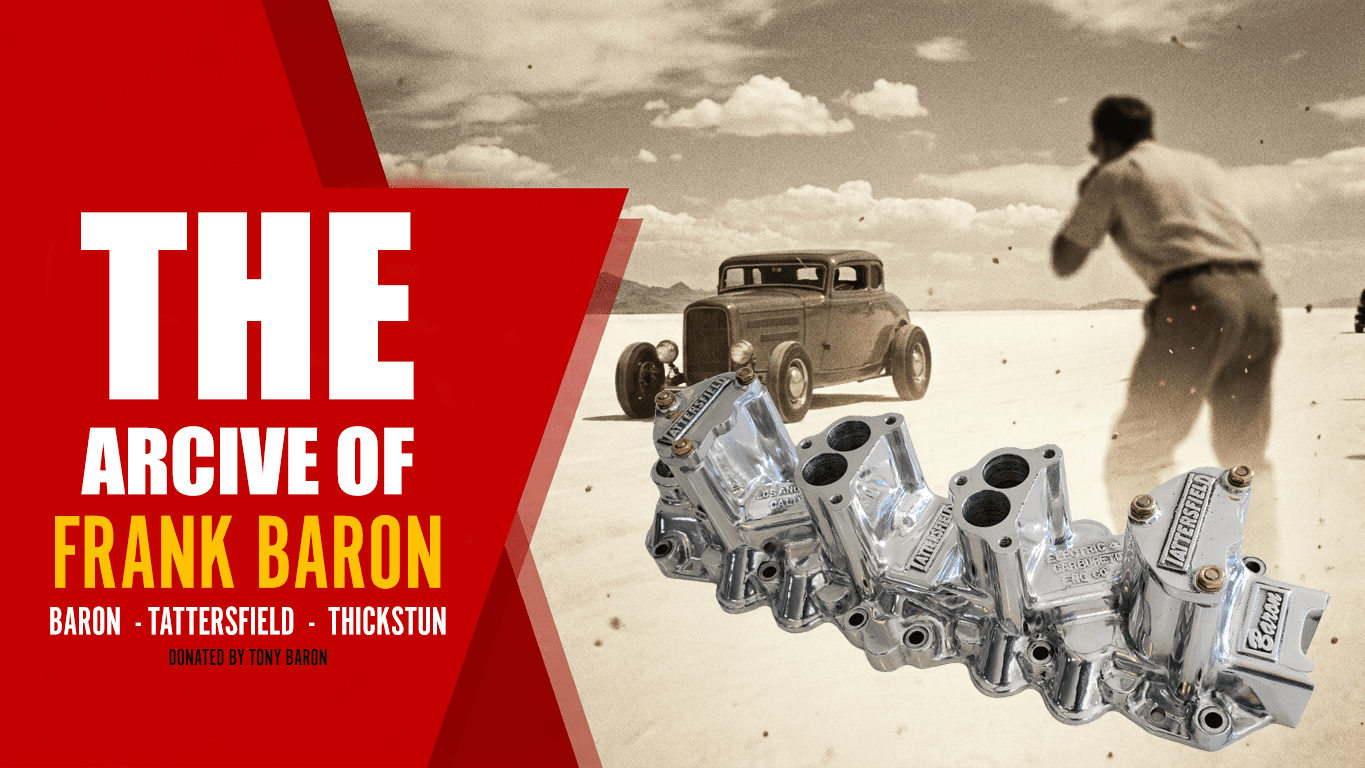
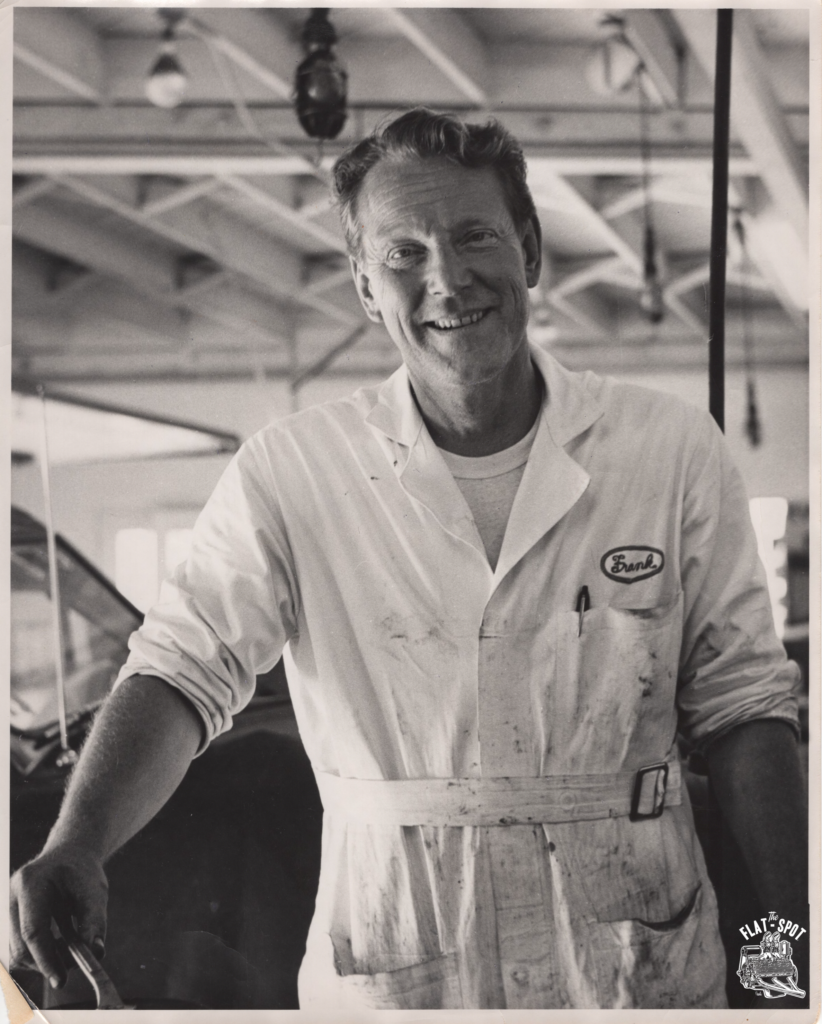
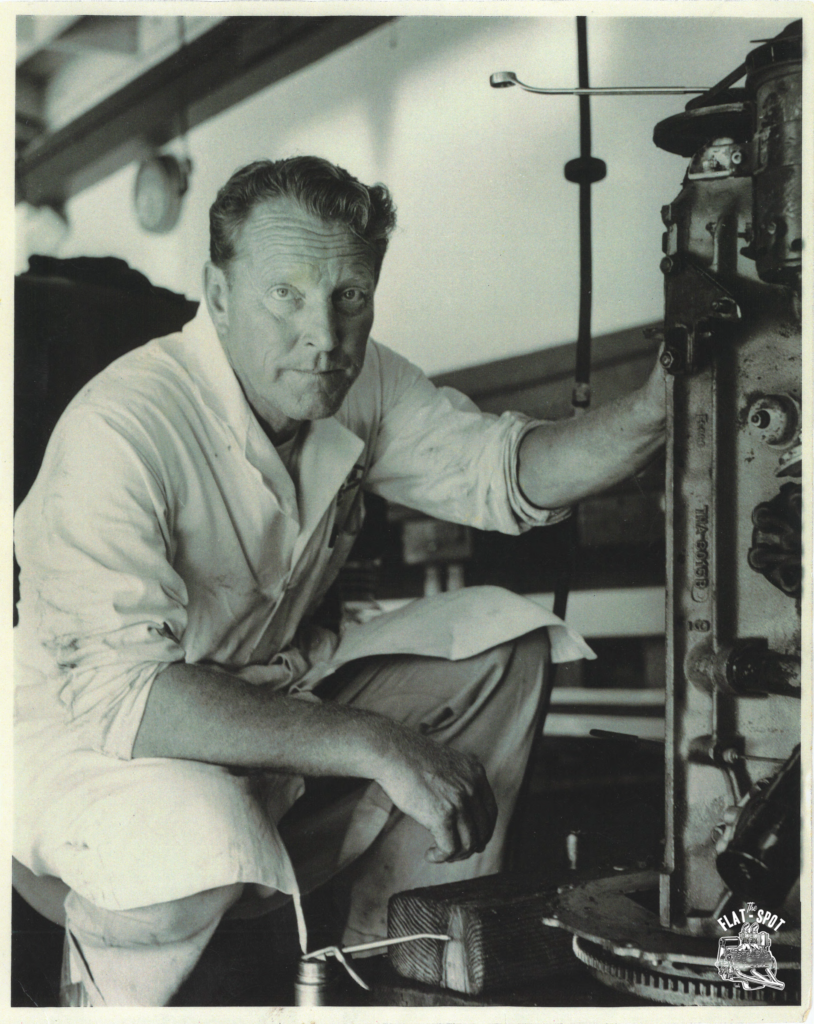
Although I never had the chance to meet Frank Baron, I have spent years studying his influence on hot rod history. Along the way, I had the privilege of getting to know his son, Tony Baron. Today, Tony remains the only person preserving the Baron, Tattersfield, and Thickstun names rather than allowing them to disappear into the hands of a private equity firm.
Tony has devoted his life to keeping his father’s products American-made and maintaining the highest standards of quality. He has even worked alongside NASA-level engineers while developing some of his newer designs.
In the fall of 2020, I began archiving the material Tony had preserved from his father’s company. Thanks to his efforts, many important pieces of hot rod history survived.
Baron’s Automotive Service in the 1930s
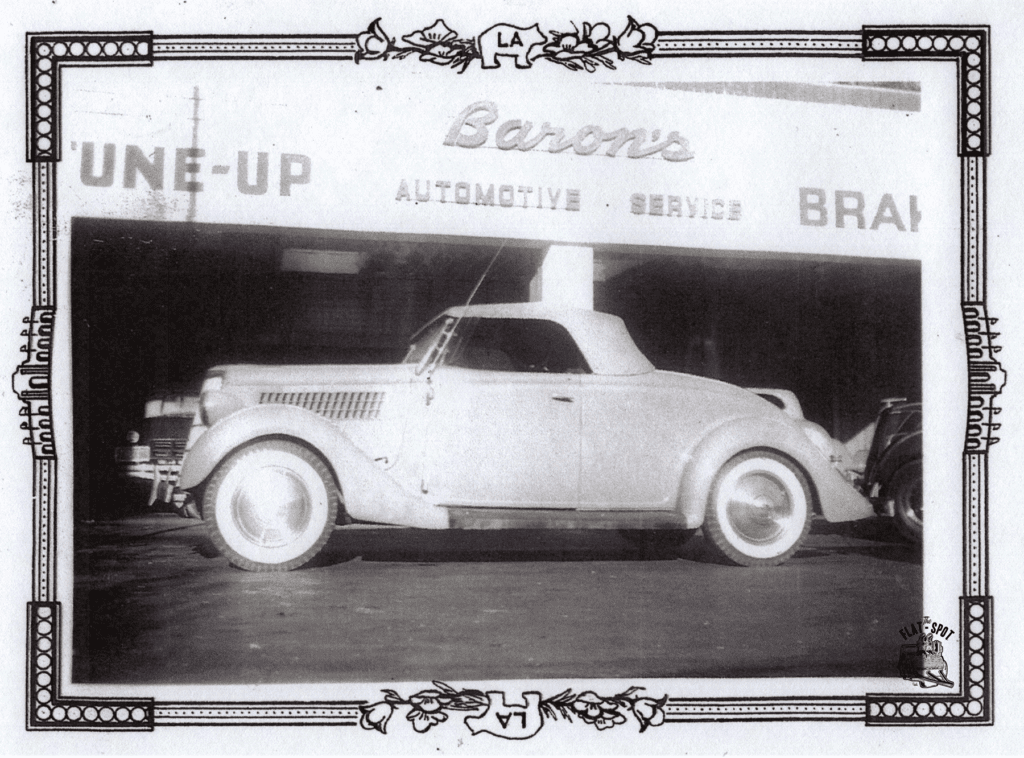
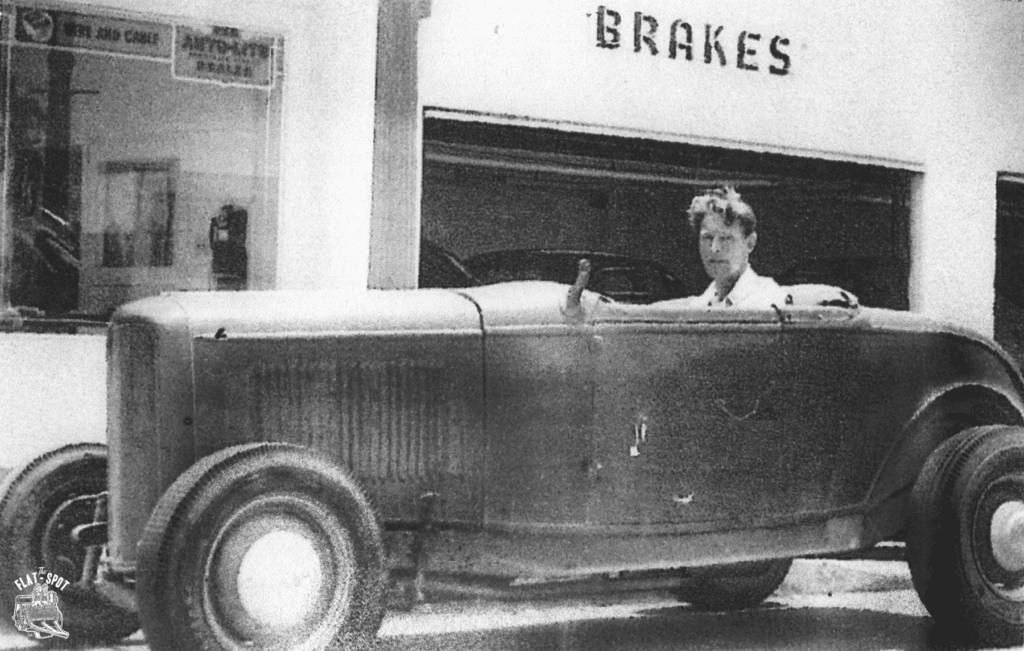
Frank’s first venture, Baron’s Automotive Service, laid the foundation for everything that followed. Even in the early years, Frank displayed the practical mindset and innovative thinking that would later shape the Southern California speed equipment industry.
The Next Chapter: The 1940s
After leaving his first business, Frank went to work for a Chevrolet dealership. There, he met Tommy Thickstun, a gifted young engineer with a remarkable understanding of thermodynamics and aerodynamics.
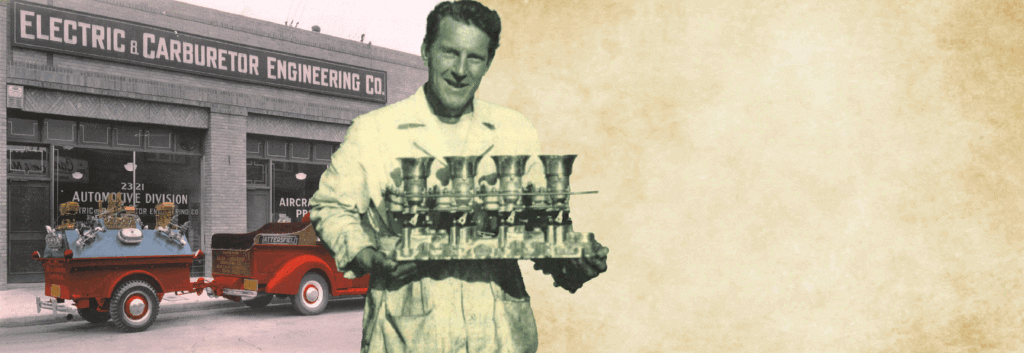
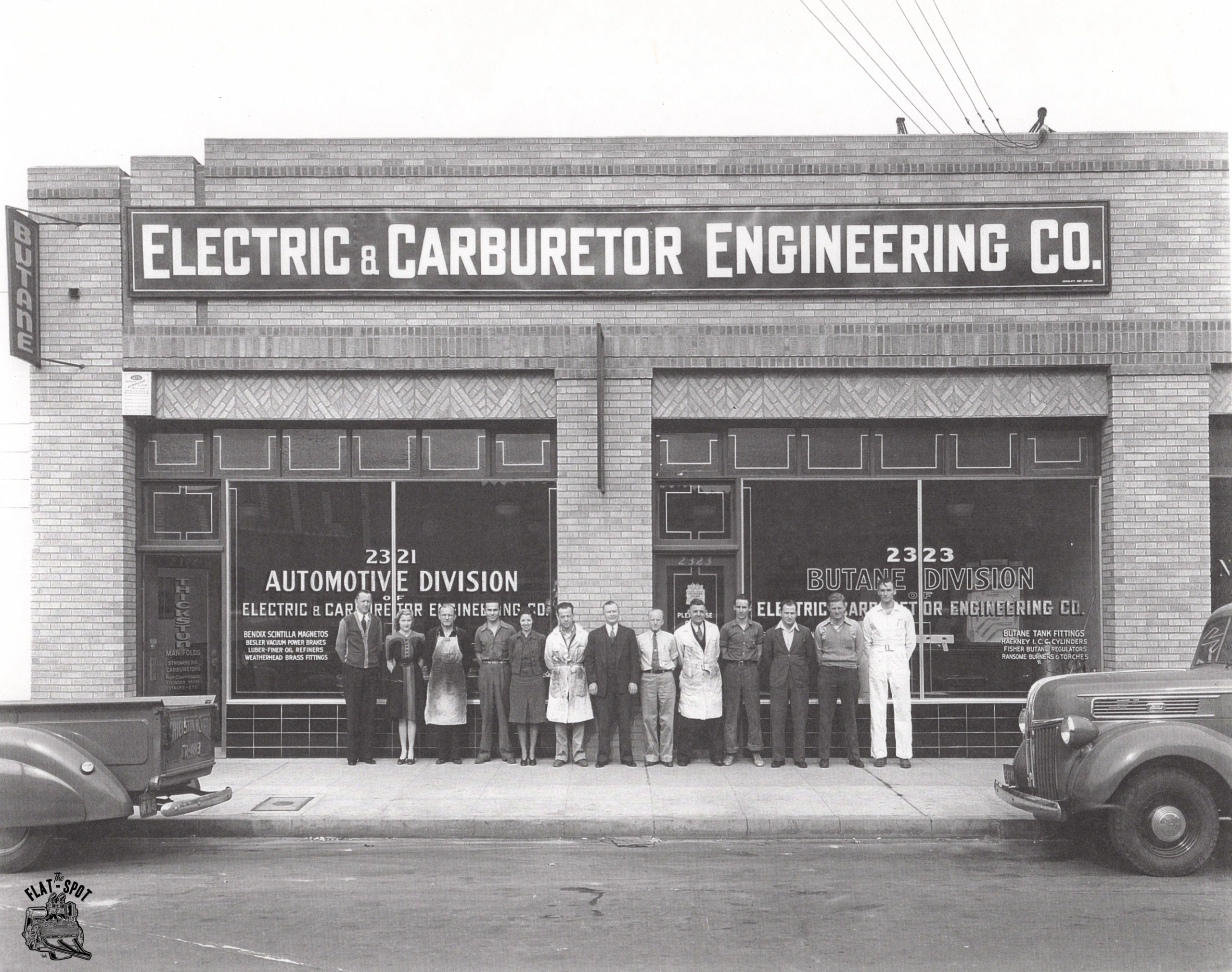
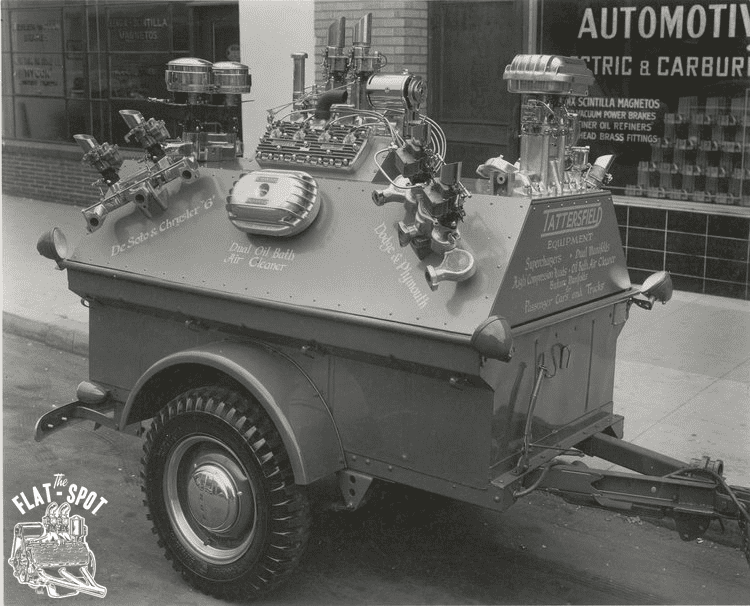
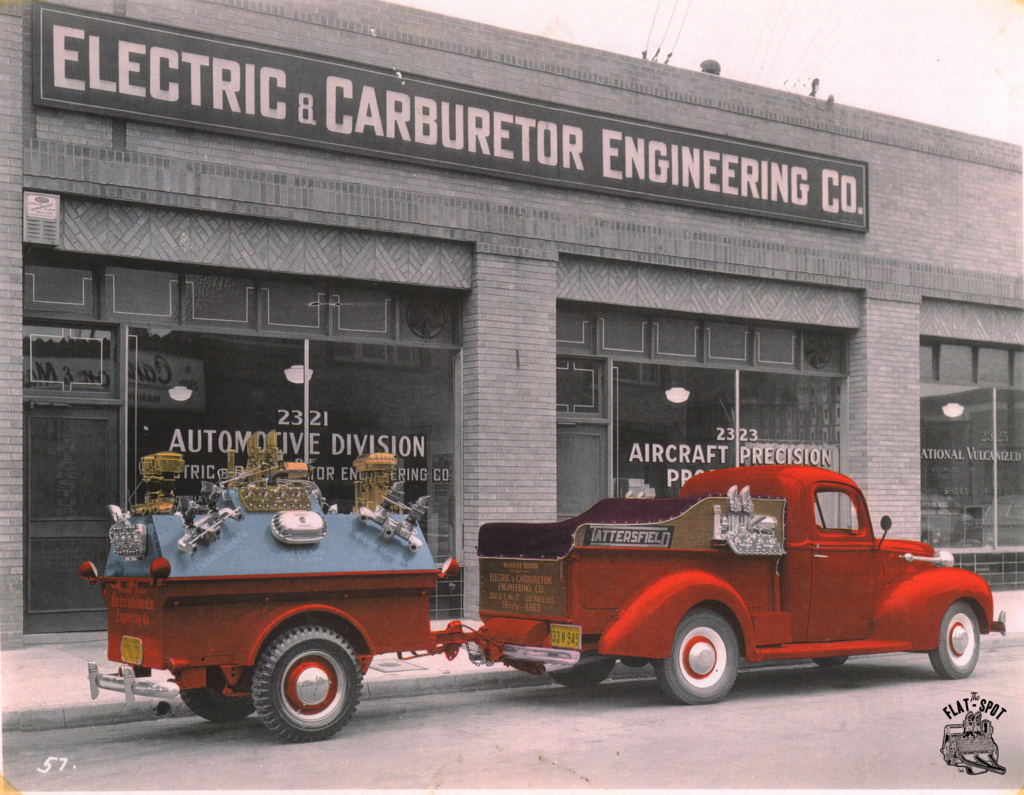
Looking to enter the speed equipment industry, the two men joined Electric & Carburetor Engineering Company. Their talent quickly became apparent, and they improved nearly everything they touched.
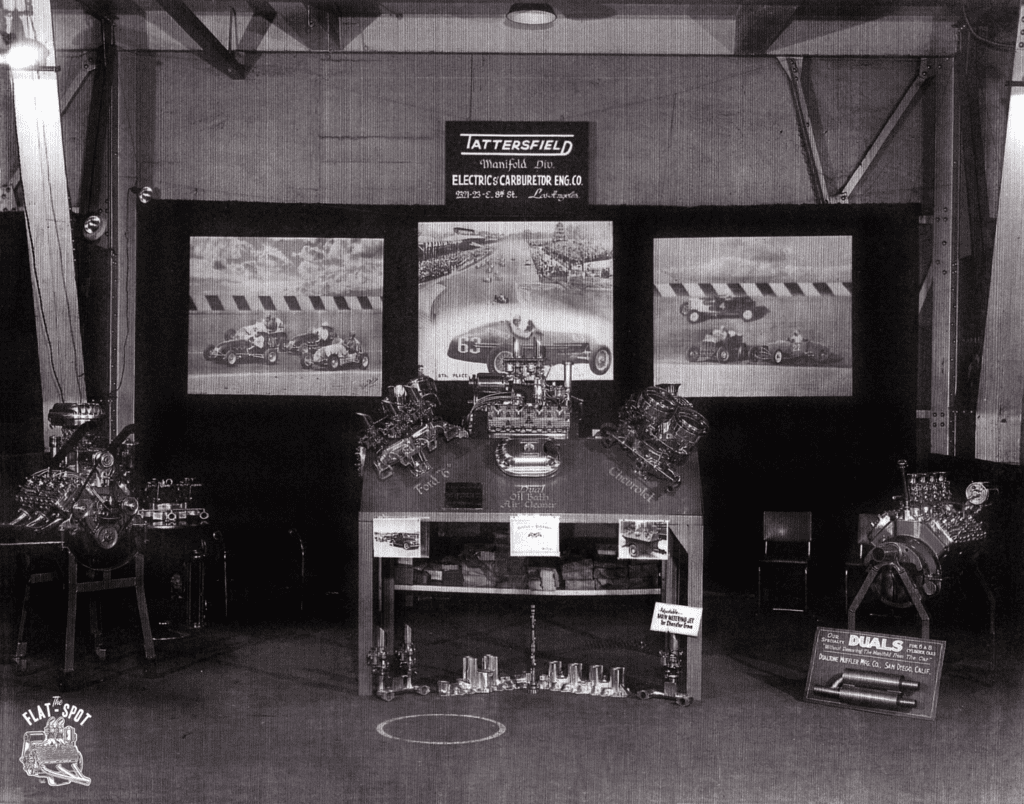
At ECE, they also met Bob Tattersfield. Bob possessed ambition, connections, and business instincts. Under his leadership, the company began producing speed equipment under the Tattersfield name.
Eventually, all three men developed their own identities within the industry. Their partnership worked because each man brought unique strengths to the table. Tommy served as the engineer. Frank provided practical solutions and managed operations. Bob supplied the equipment, capital, and relationships needed to turn ideas into products.
The Big Three
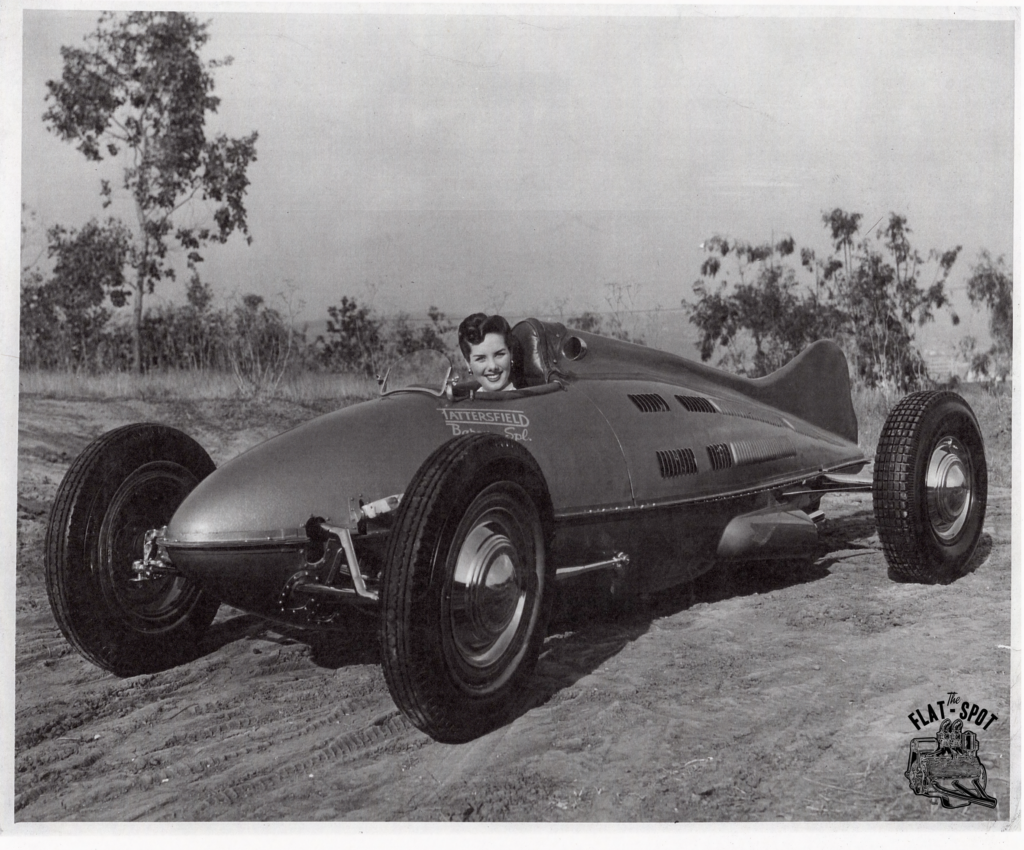
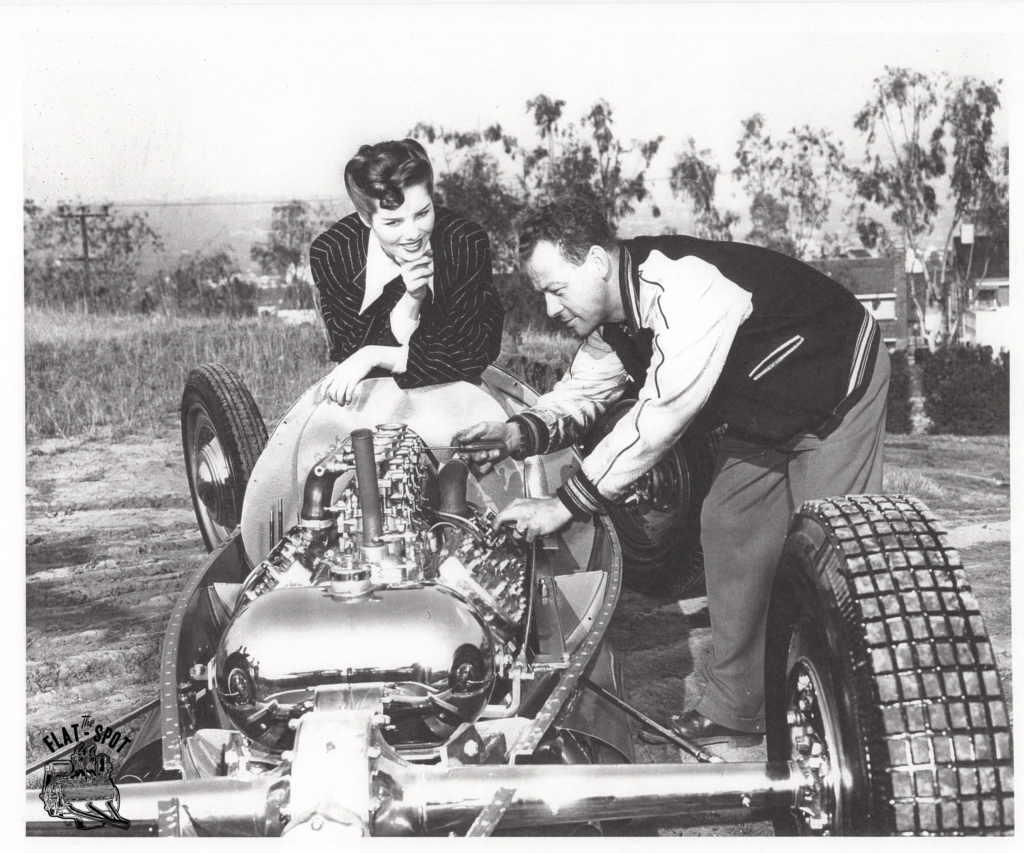
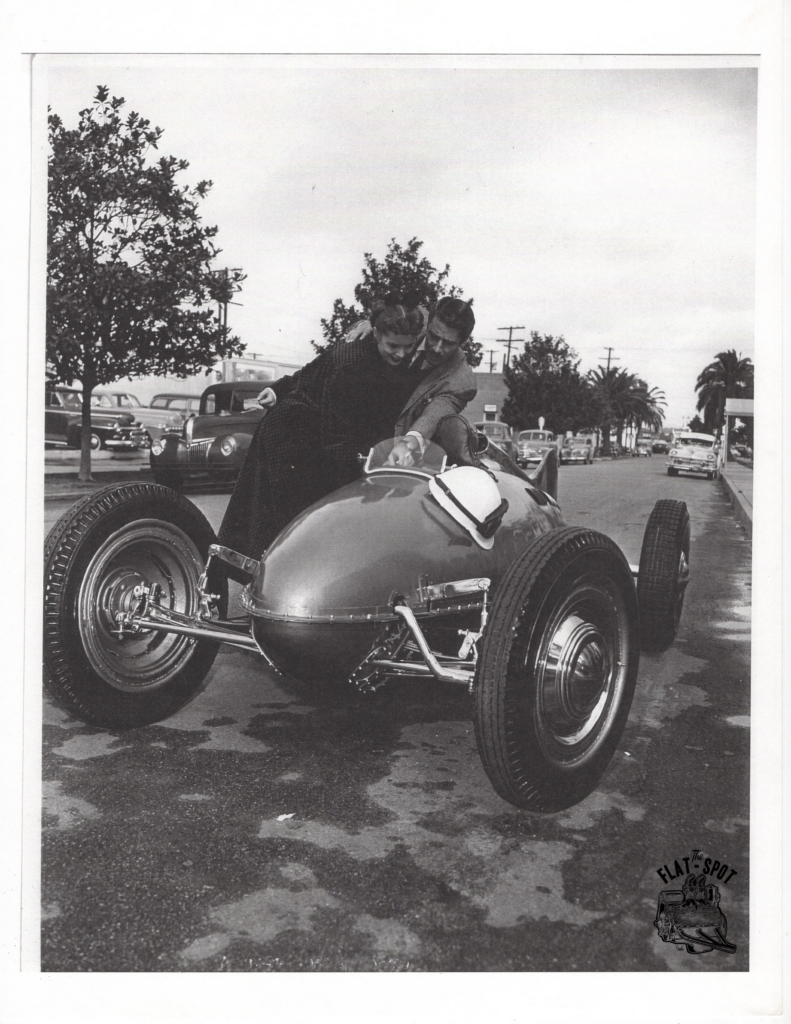
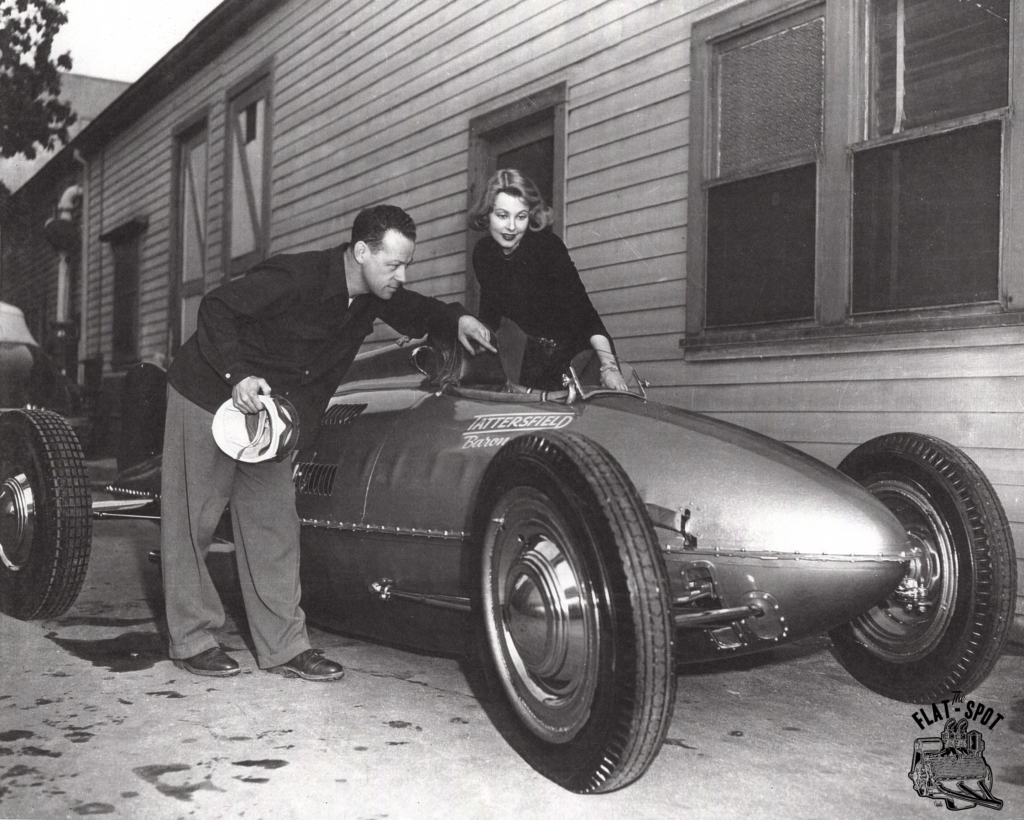
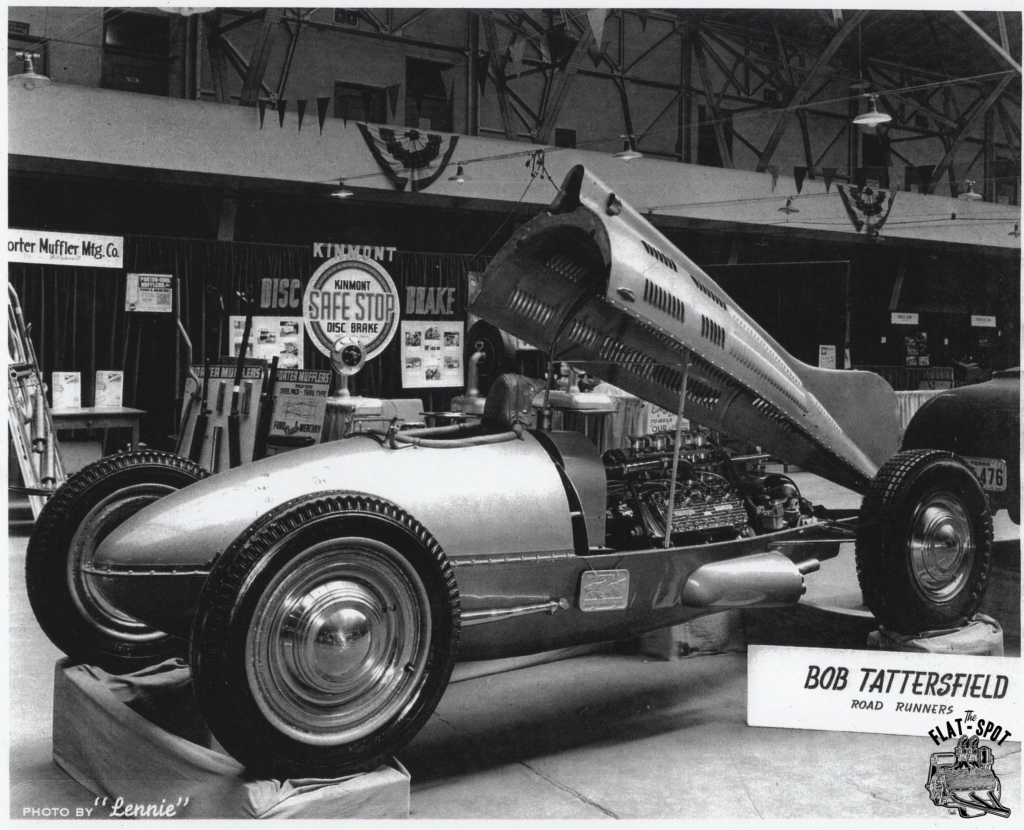
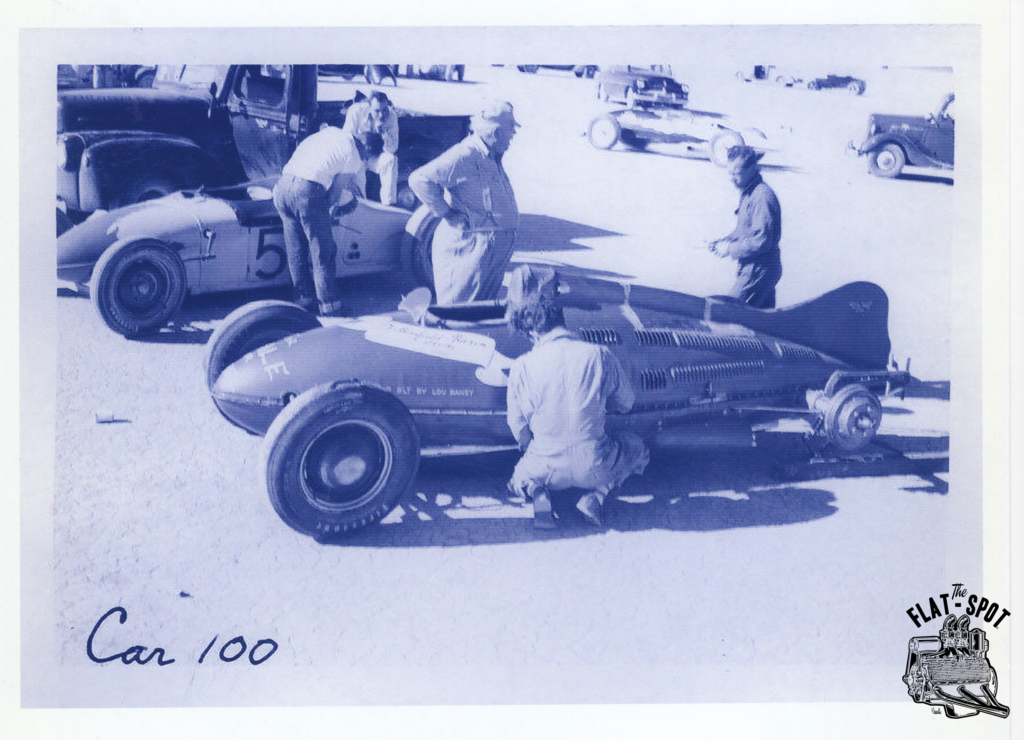
To promote their new speed parts, the team needed something that could prove their products worked. They decided to build the Tattersfield Belly Tank racer.
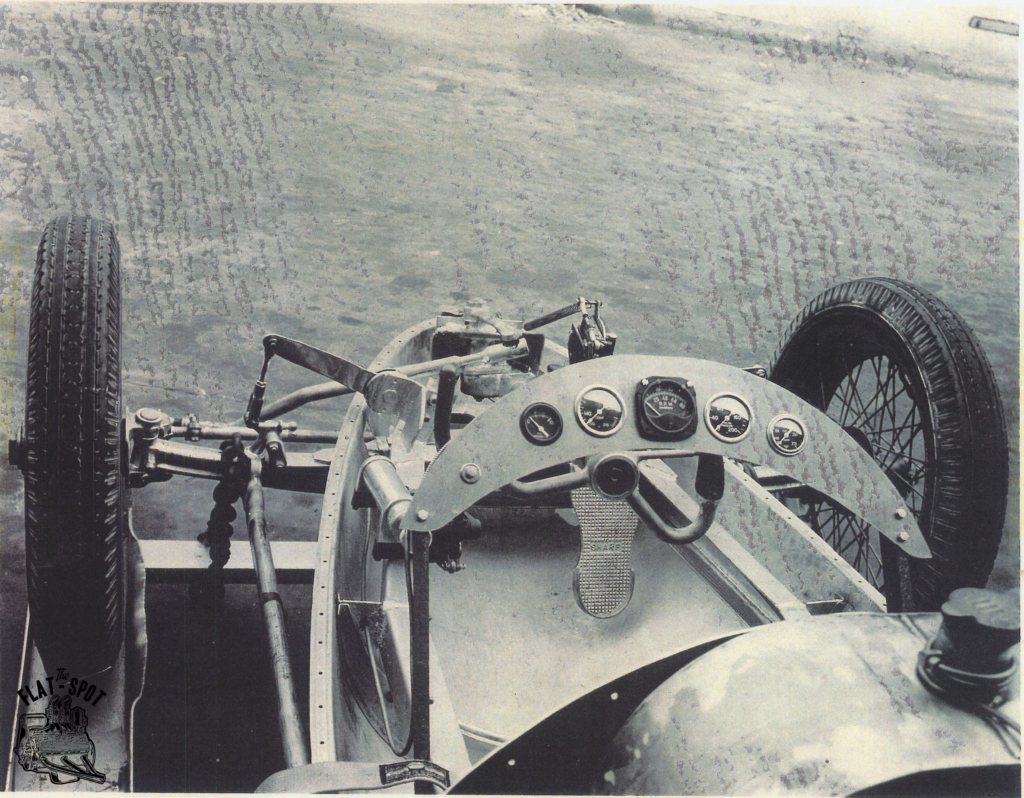
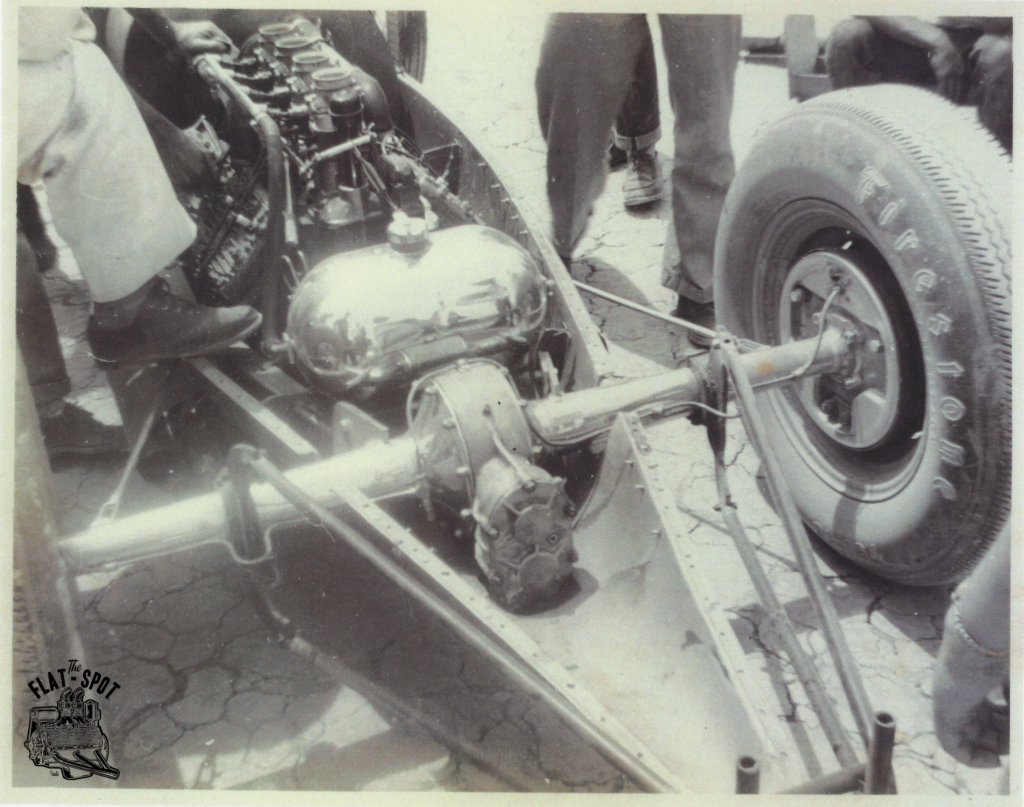
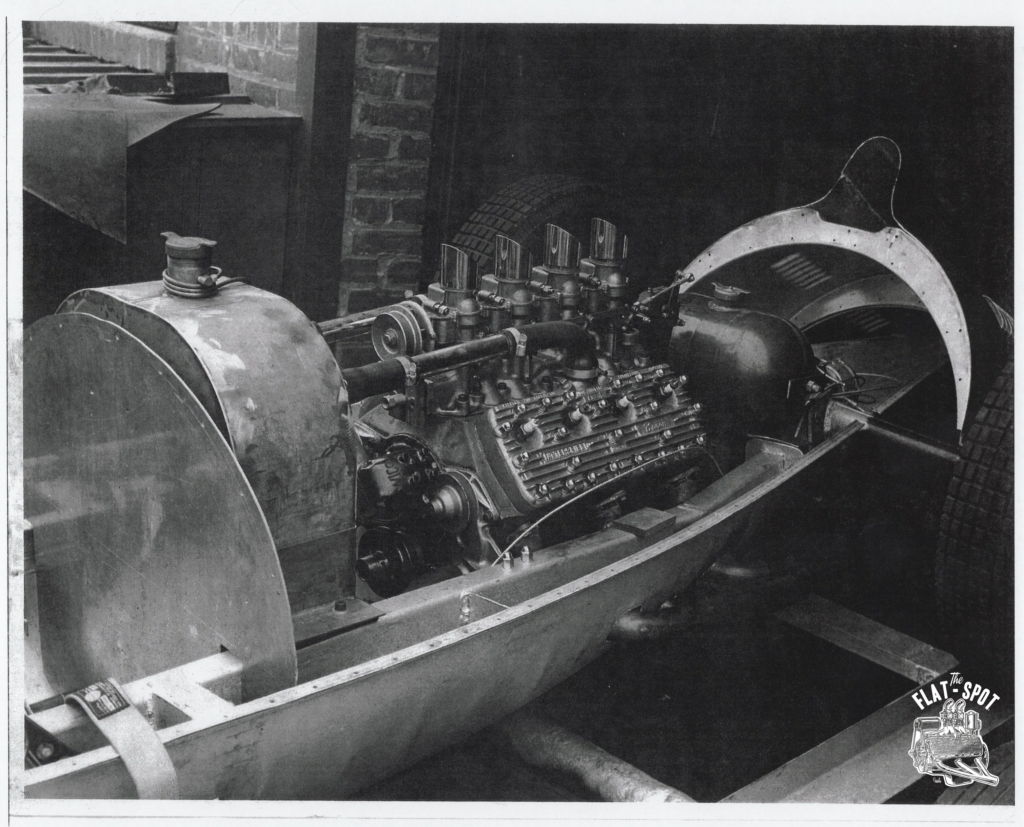
Bob’s connections opened unexpected doors. Shortly after completing the car, he managed to arrange a photo shoot on the Warner Brothers lot. During the session, the group convinced a young fresh actress working as an extra to pose with the car.
The bright purple Belly Tank seemed destined for success.
At least, that’s what everyone thought.
The Loss of Tommy Thickstun
Tragedy struck in June 1946.
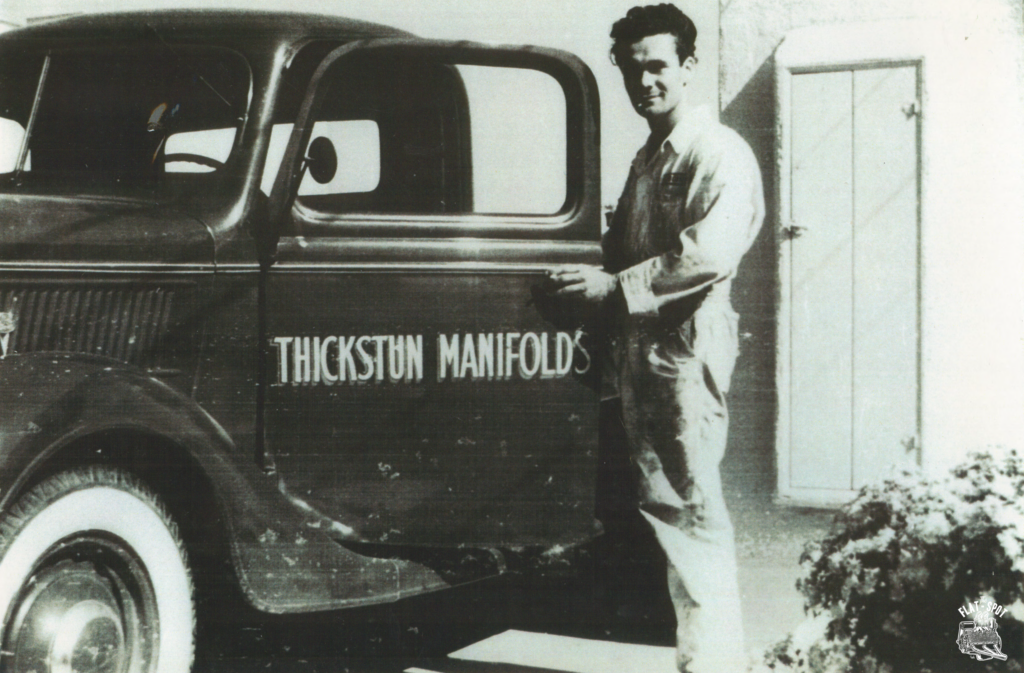
Tommy and his fiancée joined friends for a weekend getaway to Big Bear Lake before their upcoming wedding. During the trip, Tommy and his bride to be, got into a bit of a slap and tickle… During their activities back at the cabin, Tommy suffered a fatal cardiac event. (Unknown as to what exactly happen given the year) He was gone long before medical crews or police could have shown up to help.
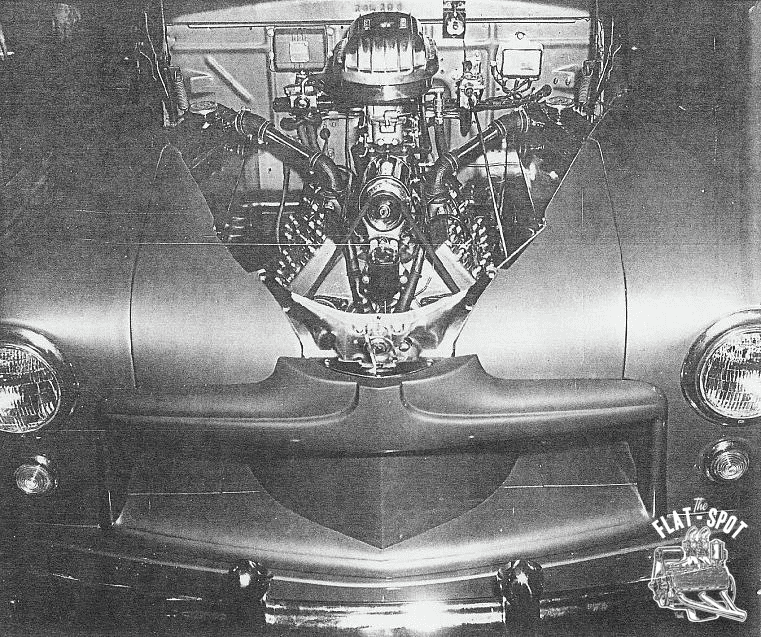
Following his death, Frank and Bob inherited Tommy’s products and designs. Rather than continue producing his PM-7 intake unchanged, they created the Tattersfield PM-8.
Out of respect for Tommy, they altered the design instead of copying it directly. Although the two manifolds shared many similarities, the runners reversed direction from Tommy’s original layout.
The Belly Ache
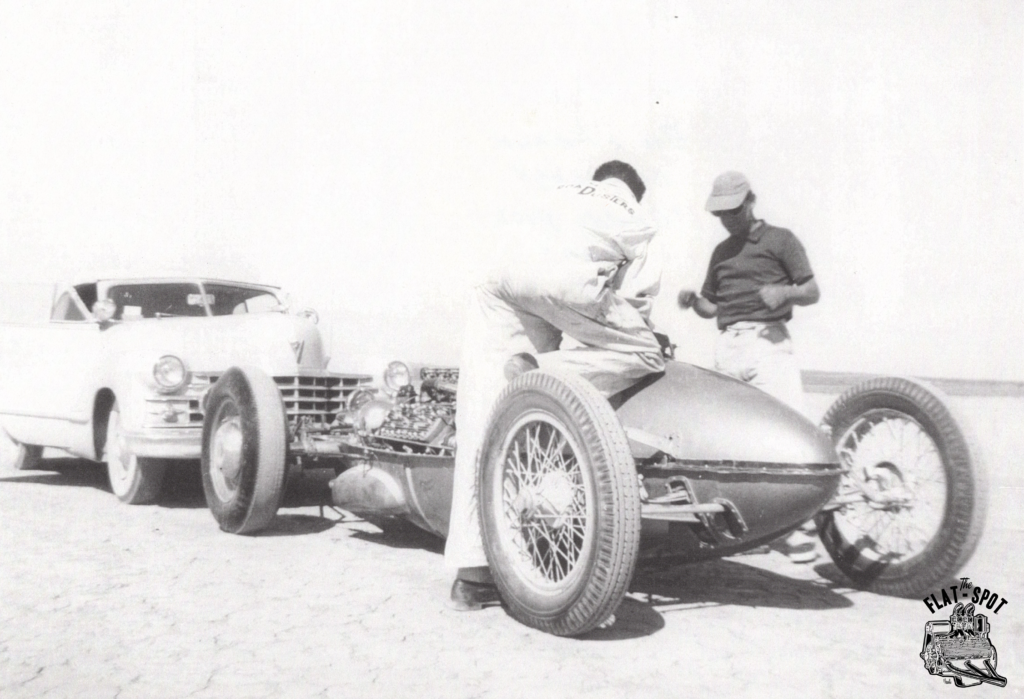
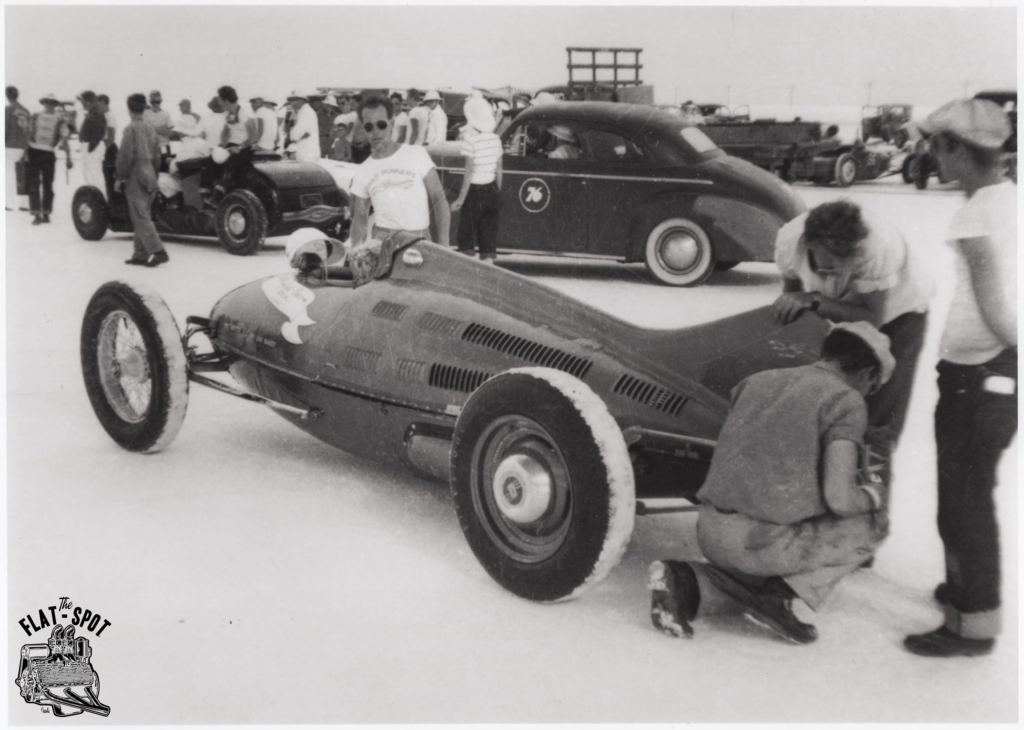
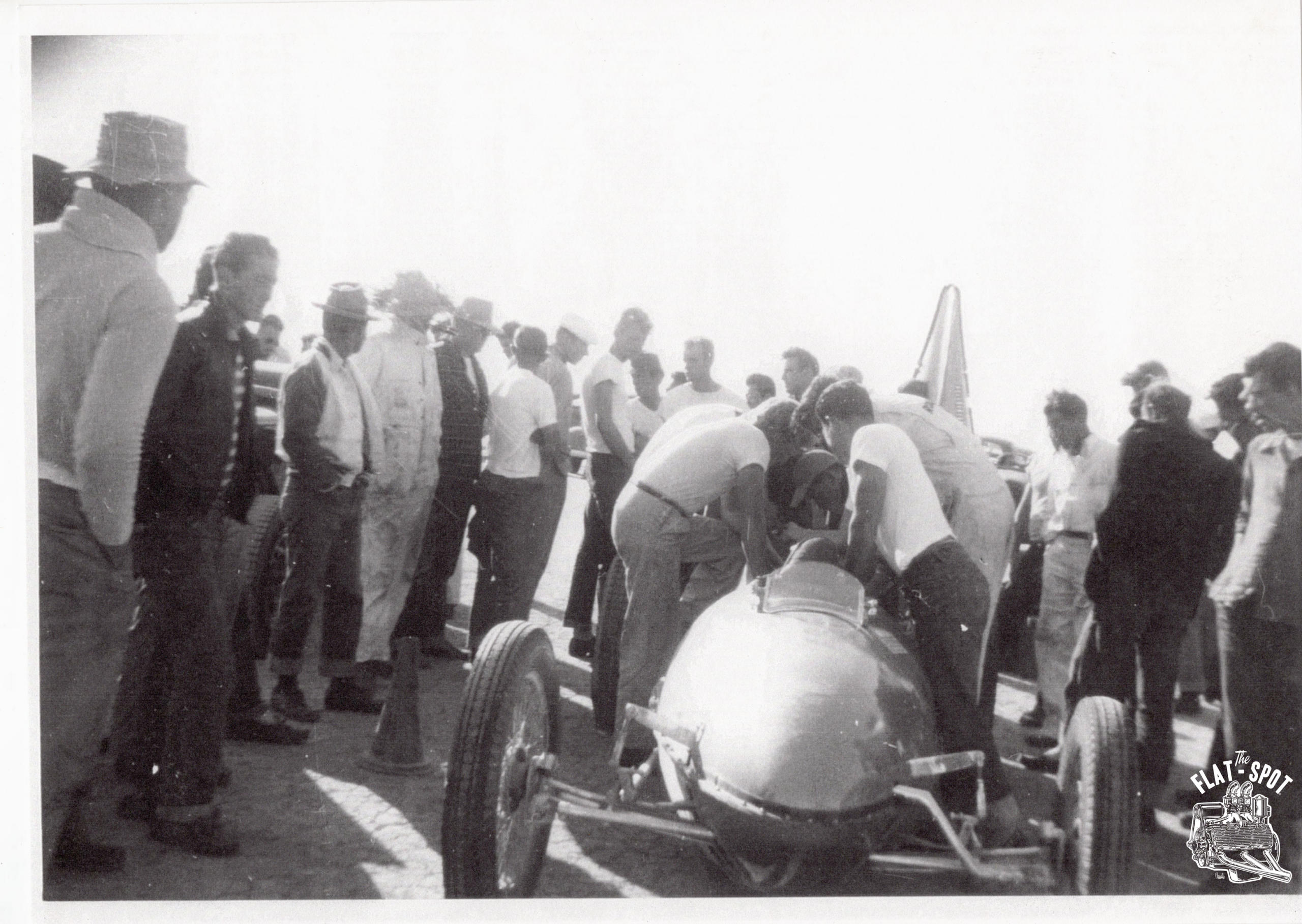
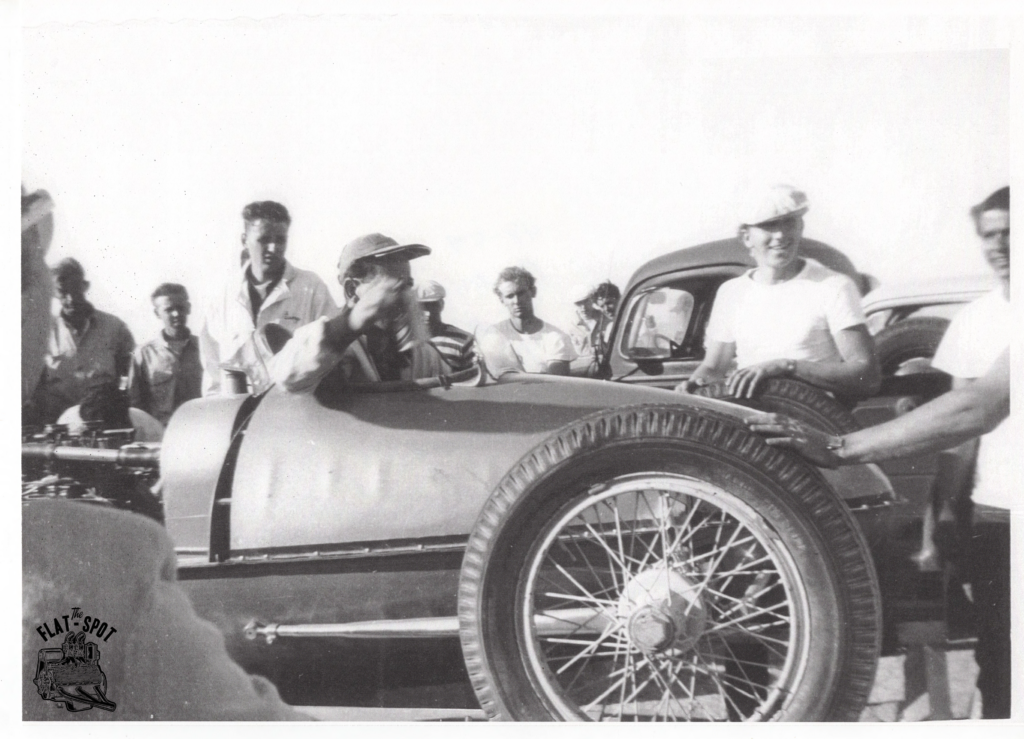
By the late 1940s, Frank and Bob transported the Belly Tank to Bonneville for testing. Early runs exceeded expectations and reportedly outperformed times set by Vic Edelbrock.
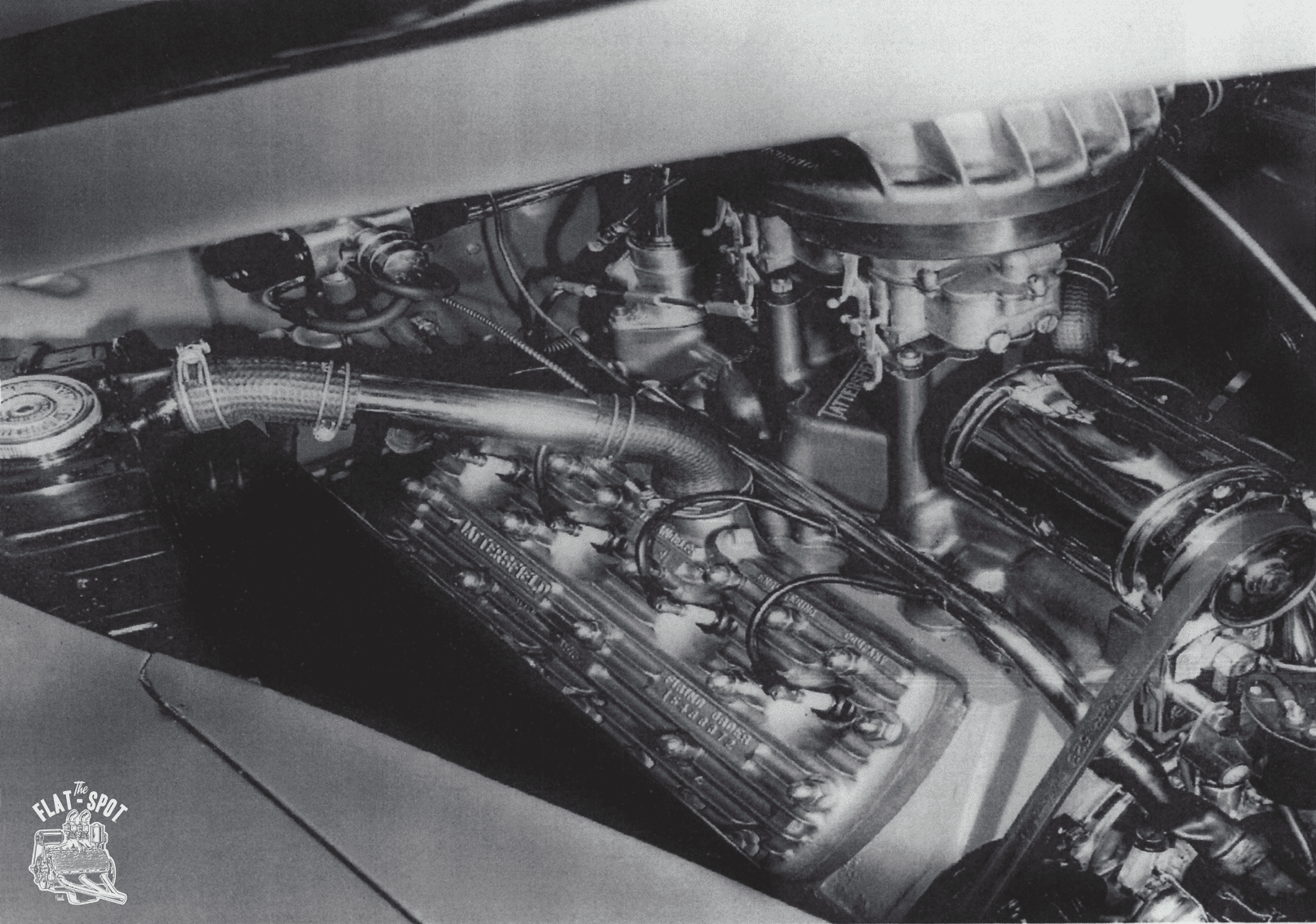
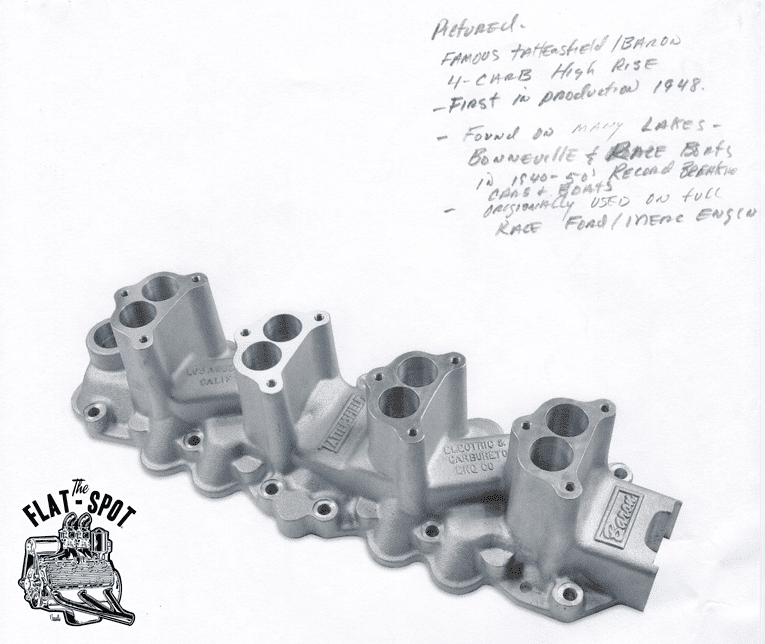
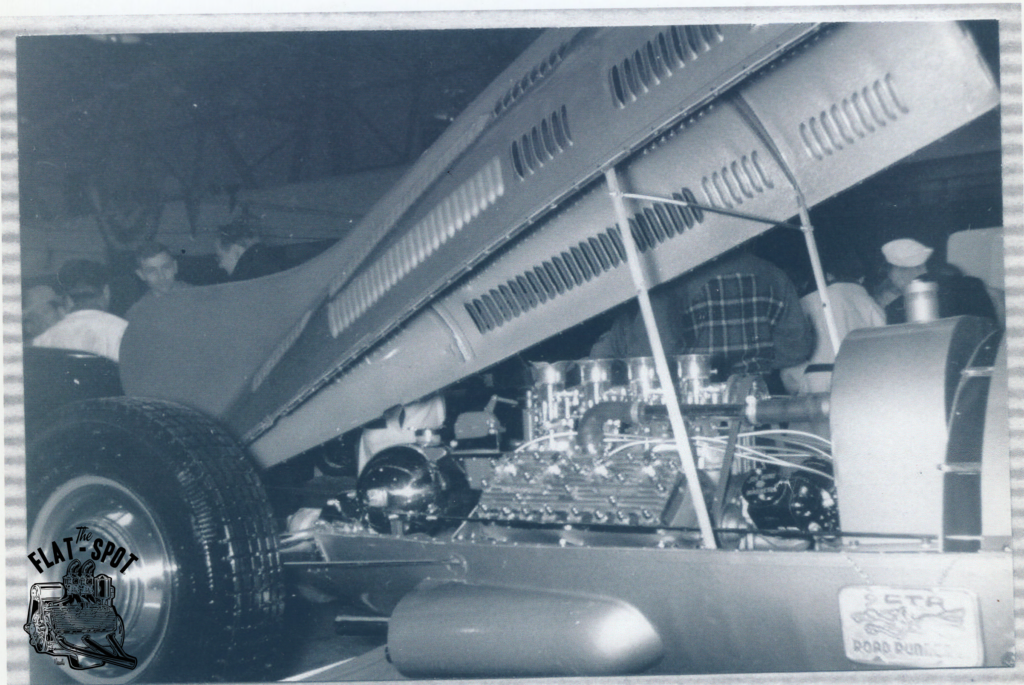
The car featured several innovations, including Frank’s pop-up piston design and his own four-carburetor intake manifold which was released in 1948.
Everything pointed toward success.
SCTA trials were scheduled for the following day. Late that afternoon, Frank drove the car onto a deserted stretch of highway to work out any final issues.
Unfortunately, he attracted the attention of a highway patrol officer.
Unlike previous encounters, this officer had no interest in issuing a warning. Police impounded the car and hauled Frank off to jail.
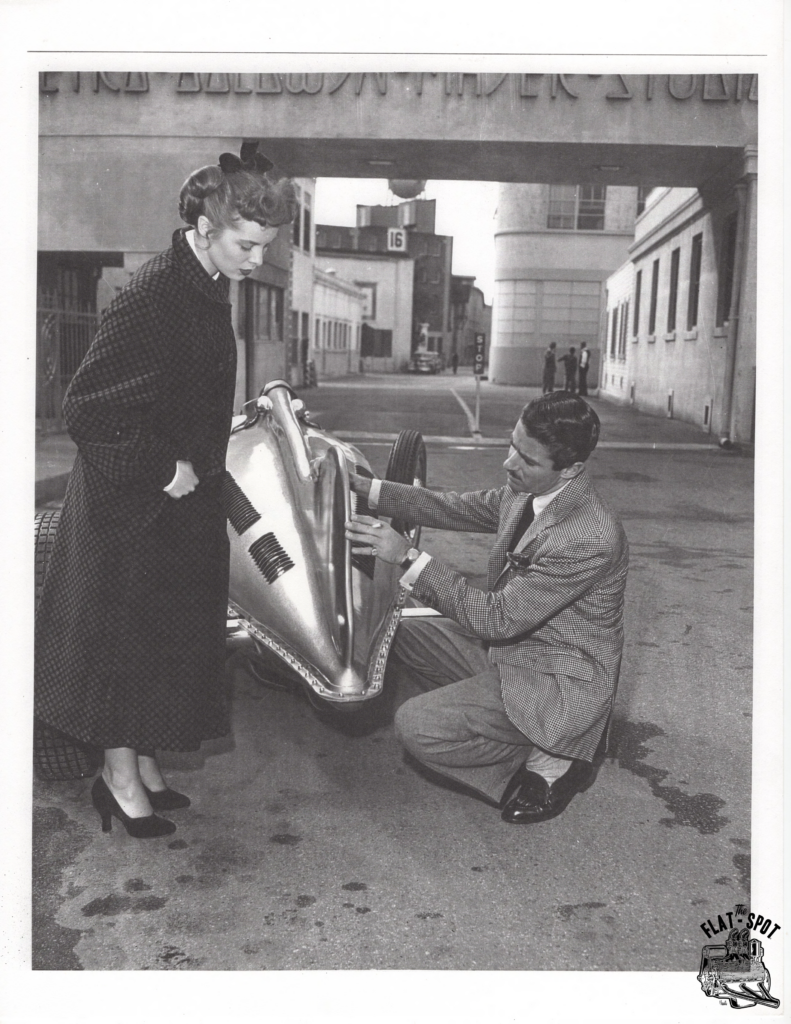
Bonus Note to This Story
I recently heard from Tony Baron that the lady that was shown in the photos was tracked down in the early 2010’s and shown the photos. She had actually never seen them and it took her some time to remember she had been their and done the shoot that day. She has since passed away but it was cool that Tony had worked to find her and show here the photos before she passed away.
Where Was Bob?
As usual, Bob marched to the beat of his own drum.
This small town offered three things Bob rarely ignored: gambling, liquor, and female companionship. While Frank sat in jail, Bob spent his evening at the local cathouse.
With nobody available to post bail, Frank called the State Line Service Hotel and asked someone to track Bob down. By the time they found him, word of the incident had already spread throughout the SCTA community.
After paying the fine, Bob and Frank reclaimed the Belly Tank and returned to the Salt Flats.
Trouble with the SCTA
The controversy surrounding the arrest followed them back to Bonneville.
What happened next remains difficult to prove. The following represents my personal opinion based on conversations with Tony Baron and stories shared by veteran hot rodders.
The SCTA often operated like an old boys’ club during the 1940s and 1950s. Many members had invested heavily in Vic Edelbrock’s success. Local officials in Wendover may also have wanted to discourage high-speed antics off the salt.
I also wonder whether the Belly Tank’s impressive test runs threatened the established order. Stories from old hot rodders suggest the SCTA sometimes protected favored competitors while making life difficult for outsiders.
Regardless of the reasons, officials permanently banned the Tattersfield Belly Tank from competing on SCTA courses. As a result, the team never received an official speed record.
Instead, the car spent the remainder of its life as a promotional vehicle before eventually finding its way into a collector’s hands.
The End of the Partnership
Frank and Bob’s partnership did not survive much longer.
Frank eventually purchased the Tattersfield brand and gained control of both Tattersfield and Thickstun. By that point, Bob’s increasingly reckless lifestyle had become a liability. Frank possessed the discipline and vision needed to rebuild the business and return to competition. Reaching the salt again would require patience, hard work, and strong leadership. In the end, Frank stood alone as the man most capable of setting things right.
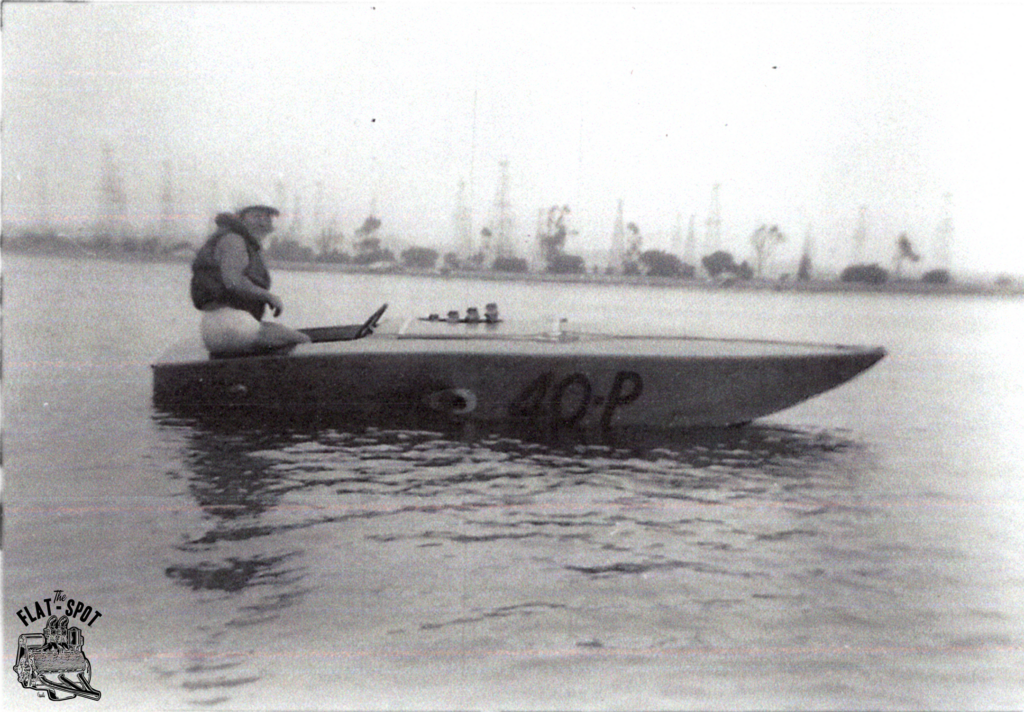
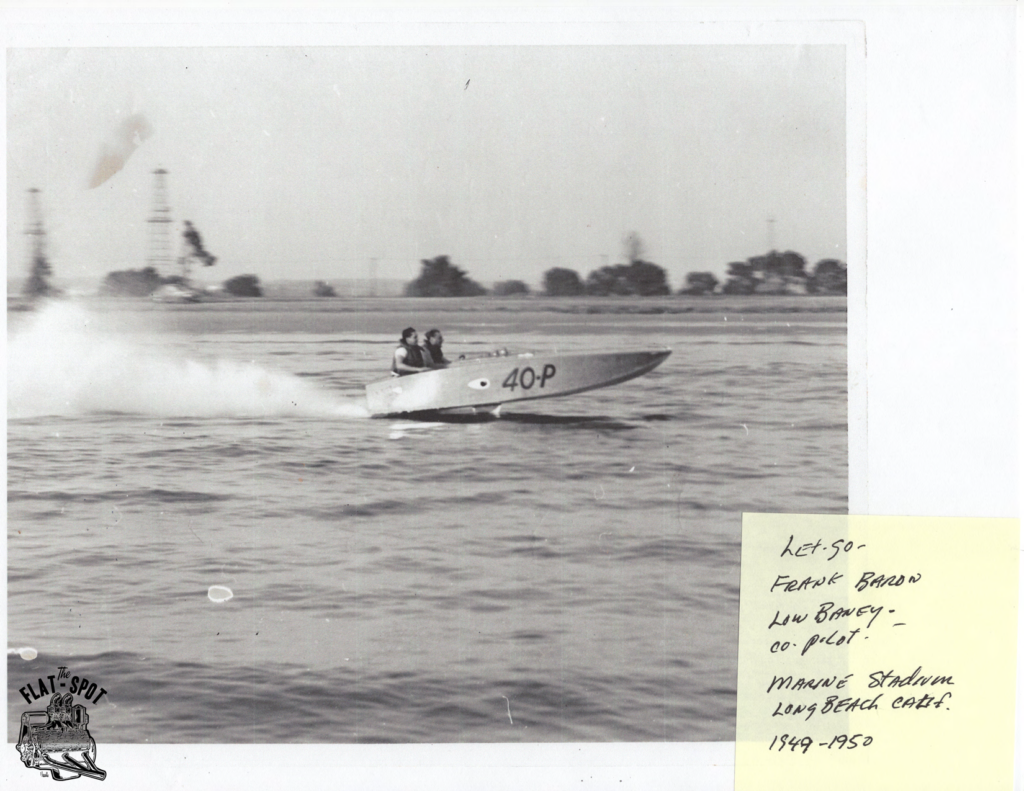
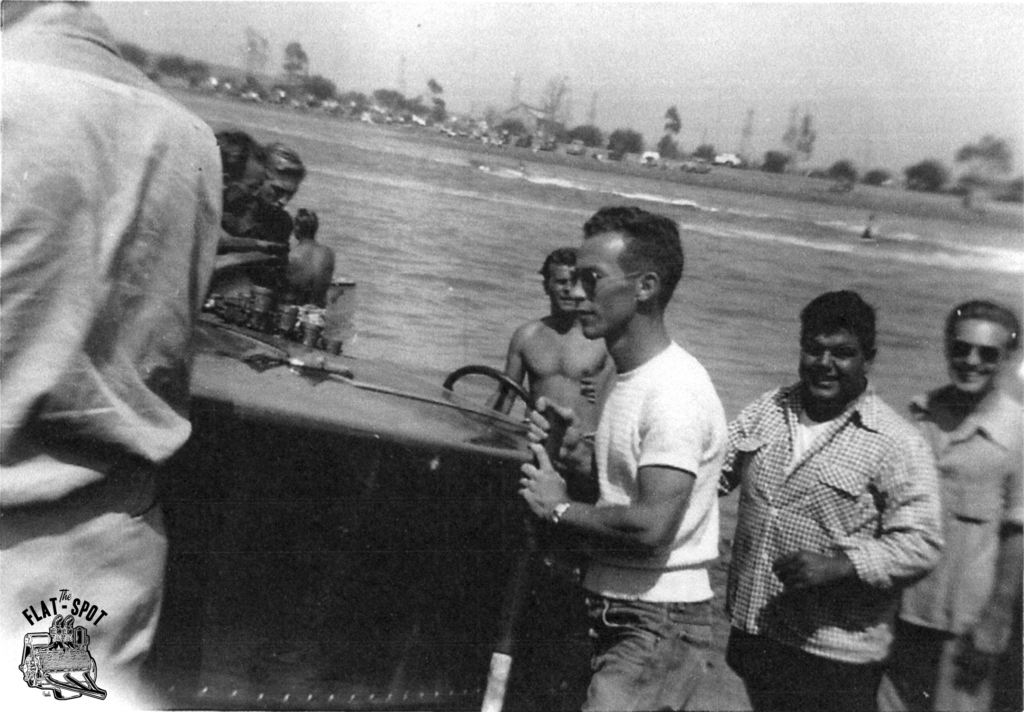
When You Can’t Race On The Salt… Why not The Water?